
"Brazilian coffee exports"
2000 article(s) found

Introduction to the method of flavor description and taste treatment of coffee beans grown in Brazil
The Flavor description of Coffee Bean growing area in Brazil; the great economic crisis that broke out in 1929 sharply reduced the world consumption of coffee, which dealt a heavy blow to the Brazilian coffee plantation economy. Since then, the proportion of Brazilian coffee production in export earnings has plummeted. Over the past 30 years, with the development of modern Brazilian industry, especially steel, shipbuilding, automobile, aircraft manufacturing, etc.
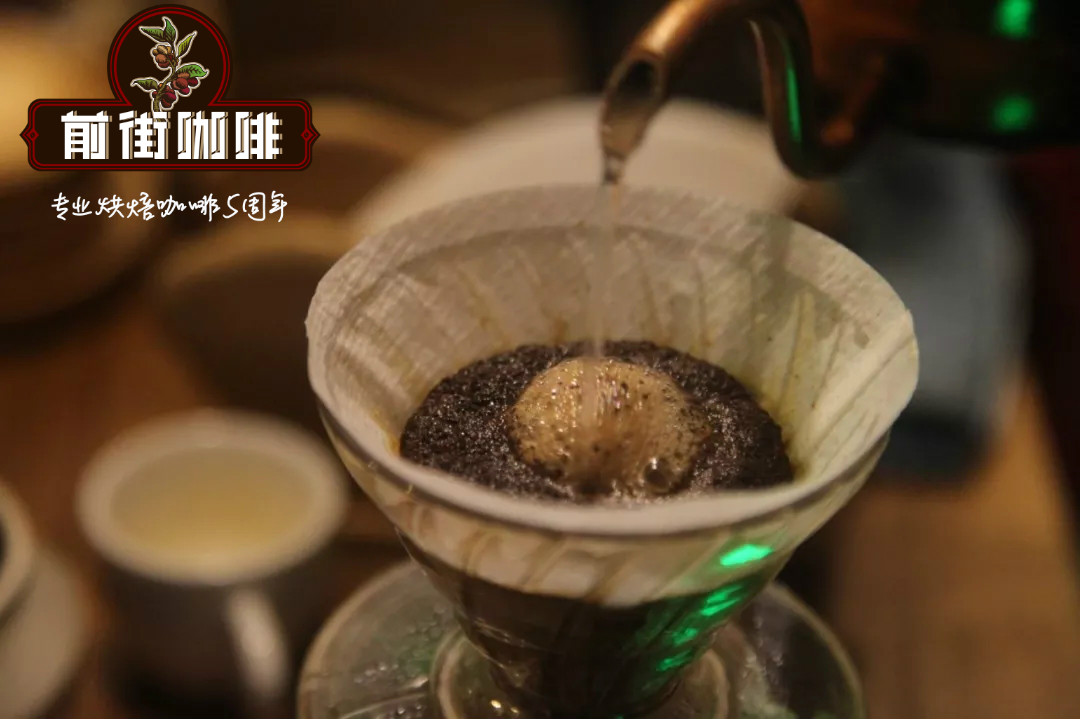
What are the characteristics of Brazilian coffee beans? what brand of coffee beans are good to drink Brazilian coffee is suitable for roasting
Characteristics of Brazilian coffee beans-what brand of coffee beans are delicious? there are many large farms in Brazil that operate endless coffee plantations. They use machines to harvest and dry them, and they are very efficient in automation. They treat coffee as a general agricultural material, completely abandoning flavor and disregard. As a result, many select coffee companies simply do not sell Brazilian beans so as not to demean themselves. In the selection

A hermit in the Brazilian Santos coffee kingdom.
Xishan Dushi is a neutral bean. The aroma, acidity and alcohol of the coffee are moderate, and the bitterness is low. It is famous for its smooth taste. It is mild, slightly sour, smooth and round in the mouth, smooth but has a good return to sweet taste. Origin: Brazilian grade: good granules: relatively full acidity: slightly acid uniformity: stable baking: low to deep flavor: neutral beans, low acid, smooth and round taste

High-quality coffee bean producing countries introduce Brazilian coffee
Brazil is vividly compared to the giant and monarch of the coffee world. There are about 3.97 billion coffee trees there, and small farmers now grow 75% of the country's coffee. The number of coffee producers in Brazil is twice or even three times that of Colombia, the second largest coffee producer in the world. Coffee production in Brazil: Mi in southeastern Brazil

Do Chinese people like drinking coffee? Brazil's coffee exports to China have increased sharply
Sao Paulo, 14 Jul (Reporter Gong Ruohan) Statistics released by the Brazilian Coffee exporters Association recently showed that from January to May 2019, Brazilian coffee exports to China increased by about 23% compared with the same period last year, mainly due to the interest of Chinese young people in coffee.

Introduction of Brazilian Coffee Flavor description, Grinding scale treatment and Regional varieties
Brazilian Coffee Flavor description Grinding scale treatment Variety introduction the ancient bourbon coffee is grown in some estates in the Serrado district of Minas Greais state in southeastern Brazil. These estates, such as Capin Branco and Vista Allegre, also grow old varieties of bourbon coffee.

An introduction to the history of Brazilian coffee, fine coffee, raw beans, Brazilian coffee
Brazilian coffee generally refers to coffee produced in Brazil. There are many kinds of Brazilian coffee, and like other Arabica coffee, Brazilian coffee is called Brazils to distinguish it from Milds coffee. The vast majority of Brazilian coffee is unwashed and sun-dried and is classified according to the name of the state of origin and port of transport. Brazil has 21 states and 17 states produce coffee, but four of them produce the most coffee.

Introduction to the taste varieties of Brazilian coffee beans produced by regional treatment
Including all coffee beans grown in Brazil, except for Santos, Brazilian beans are mostly cheap and good coffee. Can be used for mass production of comprehensive coffee beans, most of which are re-roasted. The main raw material of instant coffee is also Brazilian coffee beans. When the coffee bean germ is very fresh, it is artificially refined and naturally dried in the vulva for about 60-70 days, so that the sweetness of the pulp fully seeps into the bean.

The origin of coffee in Brazil the characteristics of Brazilian coffee
Brazil is vividly compared to the giant and monarch of the coffee world. There are about 3.97 billion coffee trees there, and small farmers now grow 75% of the country's coffee. The number of coffee producers in Brazil is twice or even three times that of Colombia, the second largest coffee producer in the world. Coffee production in Brazil: Mi in southeastern Brazil

Where is the largest coffee producer in the world?
The largest coffee producer in the world is Brazil, which is the world's largest coffee exporter, with an average annual trade volume of US $1.38 billion in coffee beans and instant coffee in the past 40 years. In 2002, the total volume of world coffee trade was 88.7 million bags, and Brazil exported 27.99 million bags, an increase of 19.3% over 2001, accounting for 30% of the world coffee trade volume, ranking first (the second is Vietnam, with a trade volume of 1220.

Dry drying Brazilian boutique coffee beans introduction to Brazilian coffee flavor and taste manors in Brazilian coffee producing areas
Brazilian coffee generally refers to coffee produced in Brazil. There are many kinds of coffee in Brazil. Like other Arabica coffee, Brazilian coffee is called Brazilian coffee Brazils to distinguish it from Milds coffee. The vast majority of Brazilian coffee is unwashed and sun-dried and is classified according to the name of the state of origin and port of transport. Brazil has 21 states and 17 states produce coffee, but among them

Mild aromas Brazilian coffee Flavor description Treatment characteristics Variety Taste
Coffee production has gradually become a science since the introduction of coffee trees from Guyane française in 1720. Before 1990, the Brazilian government strictly controlled the coffee industry, with both severe interference and price protection measures, and the state has always implemented minimum price protection measures for farmers, resulting in coffee overproduction. Before World War II, surplus stocks amounted to 780

Brazilian coffee bean flavor taste manor production area introduces Brazilian boutique coffee beans
Brazilian coffee generally refers to coffee produced in Brazil. There are many kinds of coffee in Brazil. Like other Arabica coffee, Brazilian coffee is called Brazilian coffee Brazils to distinguish it from Milds coffee. The vast majority of Brazilian coffee is unwashed and sun-dried and is classified according to the name of the state of origin and port of transport. Brazil has 21 states and 17 states produce coffee, but among them

Flavor and taste characteristics of Brazilian coffee introduce the characteristics of Brazilian coffee
Brazilian coffee generally refers to coffee produced in Brazil. There are many kinds of Brazilian coffee, and like other Arabica coffee, Brazilian coffee is called Brazils to distinguish it from Milds coffee. The vast majority of Brazilian coffee is unwashed and sun-dried and is classified according to the name of the state of origin and port of transport. Brazil has 21 states and 17 states produce coffee, but four of them produce the most coffee.
A hermit in the Brazilian Santos coffee kingdom.
Origin: Brazilian grade: good granule: relatively full acidity: slight acid uniformity: stable roasting: low to deep flavor: neutral beans, low acid, smooth and round Brazil grows Arabica and Robusta coffee, but mainly Arabica coffee, mostly dried. There are about 3.97 billion coffee trees in Brazil, and the number of people engaged in coffee production is elder brother

The coffee history of Brazil? Brazilian bourbon coffee flavor? What is the flavor of Brazilian Santos coffee?
Professional coffee knowledge exchange more coffee bean information please follow the coffee workshop (Wechat official account cafe_style) coffee history in Brazil? Brazilian bourbon coffee flavor? What is the flavor of Brazilian Santos coffee? Brazil is vividly likened to the giant and monarch of the coffee world. There are about 3.97 billion coffee trees there, and small farmers now grow more coffee in the country.

Introduction of Brazilian Coffee Manor
Brazil's low-acidity, moderately roasted coffee beans from the World Coffee Center Brazil is vividly likened to the giant and monarch of the coffee world. There are about 3.97 billion coffee trees there, and small farmers now grow 75% of the country's coffee. Brazil produces twice or even three times as many coffee as Colombia, which is the second largest coffee producer in the world.
What are the flavor and taste characteristics of Brazilian coffee Santos coffee beans? Is the Brazilian coffee good?
Professional coffee knowledge exchange more coffee bean information please follow the coffee workshop (Wechat official account cafe_style) Brazilian coffee Santos coffee beans flavor and taste characteristics? Coffee beans-SANTOS, large, light green or yellowish beans, because local beans are mostly sun-treated, with brown cracks in the middle, and are almost always used for blending. Fragrance; fragrance

Brazilian Coffee Plantation Area Grinding Scale Processing Flavor Description Variety Introduction
Brazil has many large farms, operating endless coffee gardens, they use machine harvesting, and the use of machine drying, automated efficiency is very high, as if coffee as a general agricultural material, completely abandoned flavor and disregard. As a result, many specialty coffee companies simply do not sell Brazilian beans, lest they demean themselves